
What Makes Me Stop
The light, shapes and quiet moments that make me reach for the camera.
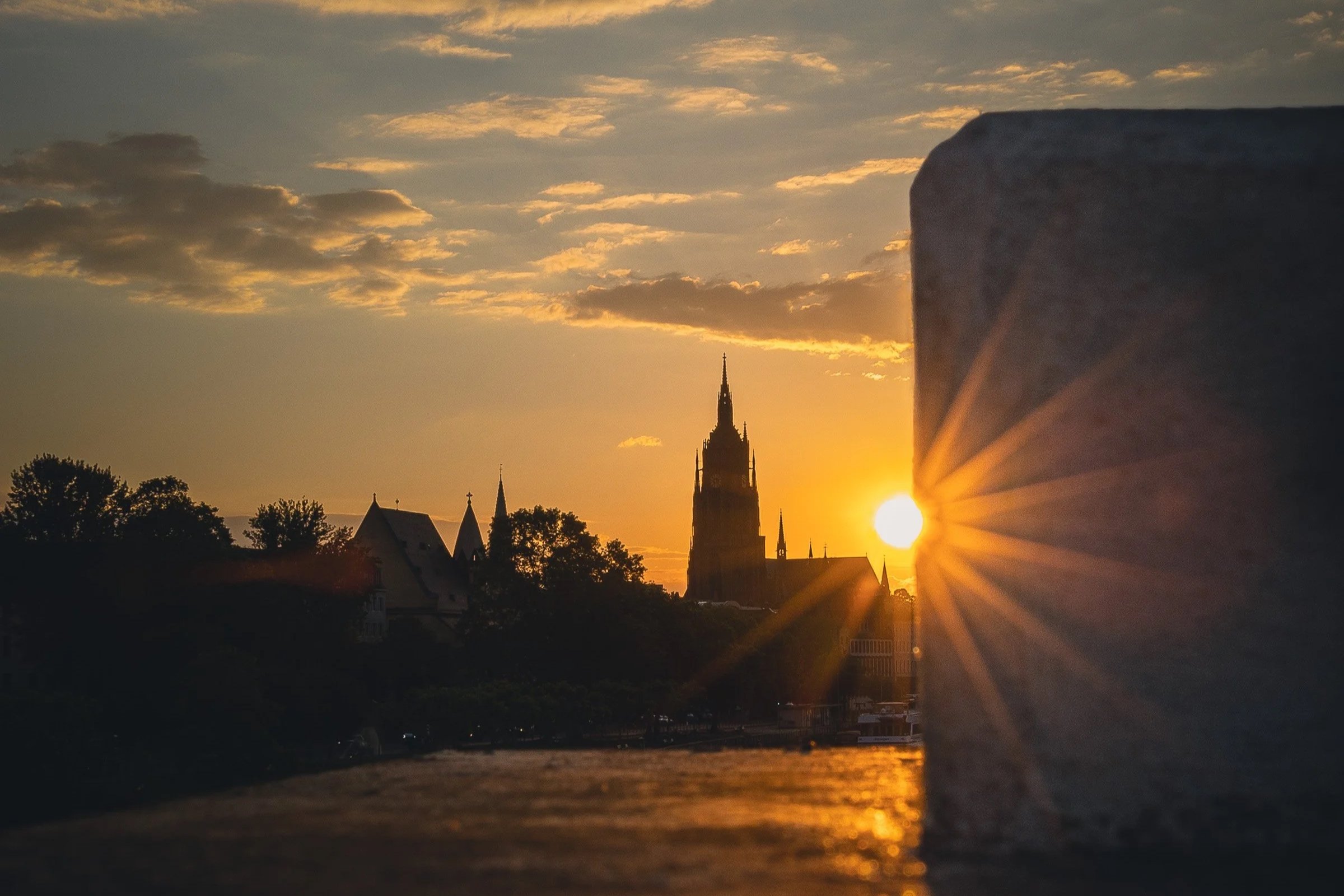
After more than thirty years of photography, you might think I would have a useful formula for knowing when something will make a good photograph. I don't.
What I do have is a fairly reliable feeling for the things that make me stop. Quite often, it starts with light. A familiar scene suddenly changes, a shape becomes clearer, or something ordinary looks interesting for a few minutes before the moment disappears again.
Sometimes it's a line or a reflection. Sometimes it's the scale of a space. And sometimes it's simply a place becoming quieter than it was a few seconds earlier.
I don't always know what the photograph will be when I stop. Quite often, finding that out is the interesting part.
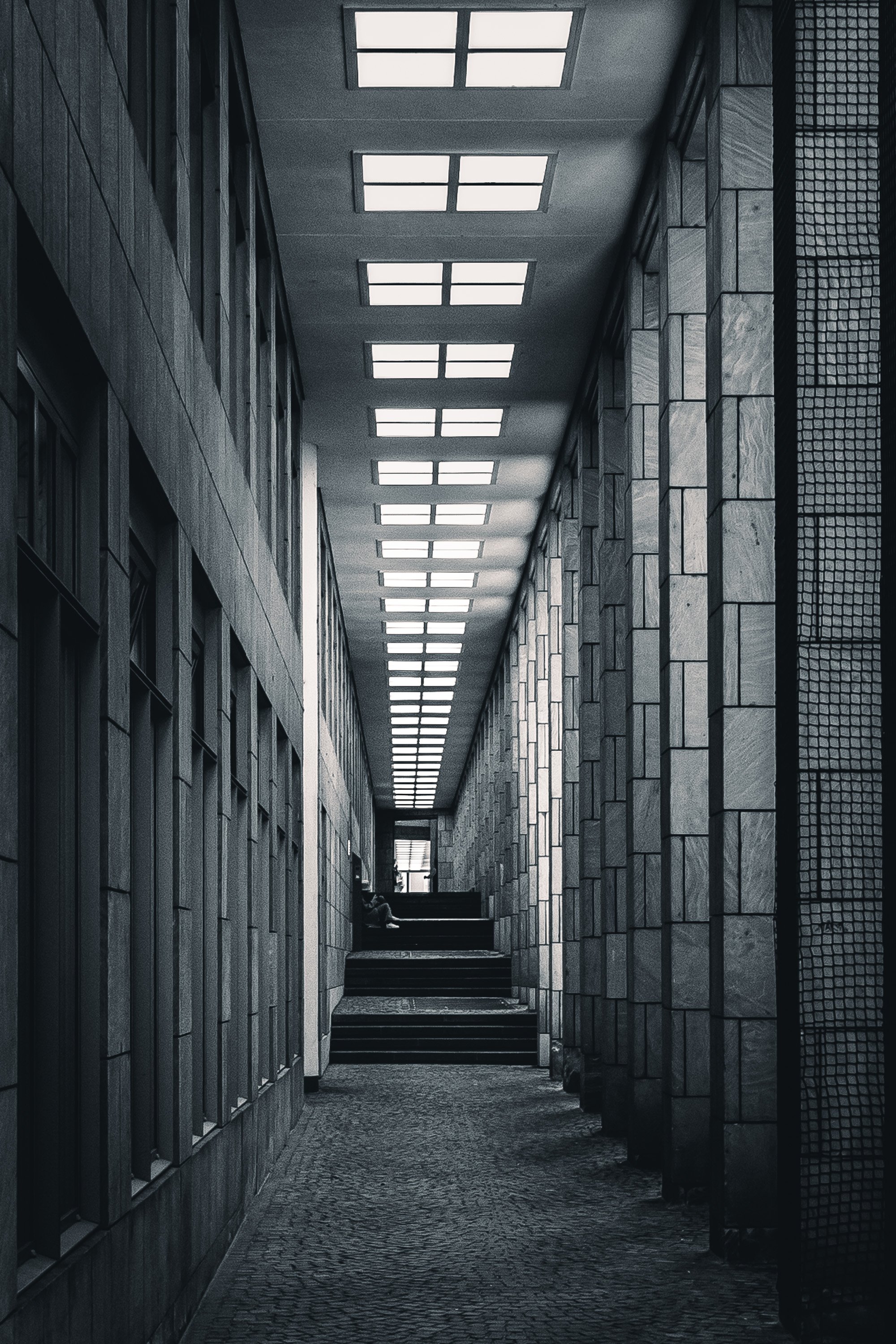
Architecture has always been particularly good at stopping me because buildings come with lines already built in.
The challenge is deciding which ones matter.
I am drawn to strong perspectives, repetition and symmetry, but I rarely want to photograph a space simply because it is impressive. I want to find the part of it that organises the photograph.
Sometimes that means standing exactly in the middle. Sometimes it means moving a metre to one side. And sometimes it means looking at a completely ordinary corridor until the lines suddenly start working together.
Once that happens, the location becomes less important. The photograph starts taking over.
Scale Changes Everything
Then there is scale.
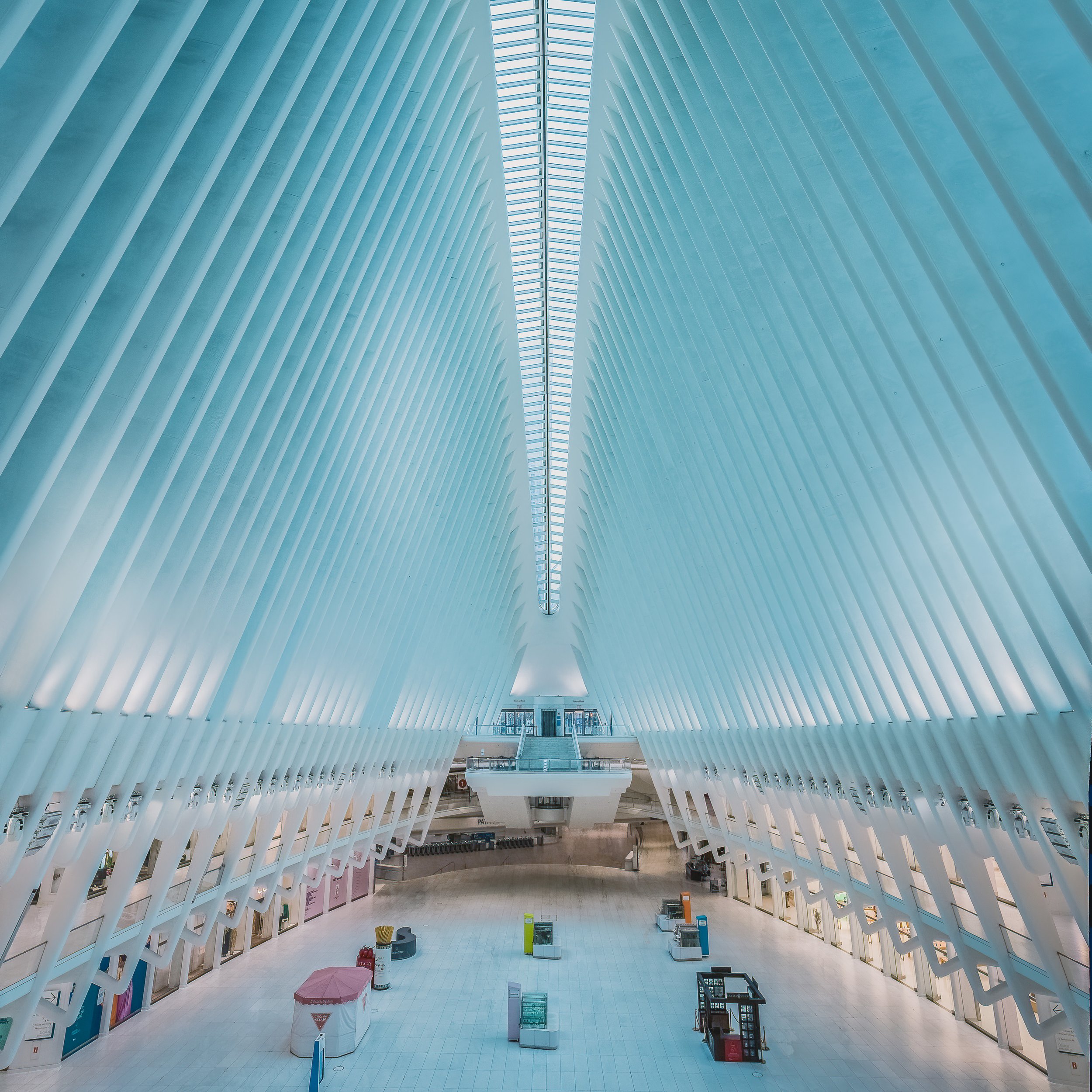
Some places are so large that the first instinct is to try to fit everything into the frame. I usually find the opposite more interesting.
The scale of a space often becomes clearer when there is something small inside it. A person. A doorway. A single detail surrounded by an enormous structure.
That's why I sometimes find myself waiting after I've already found the composition. The architecture isn't going anywhere. What I'm waiting for is that tiny element that suddenly tells you how big the place really is.
It doesn't take much. One person in the right place can completely change the photograph.
Seeing Something Else
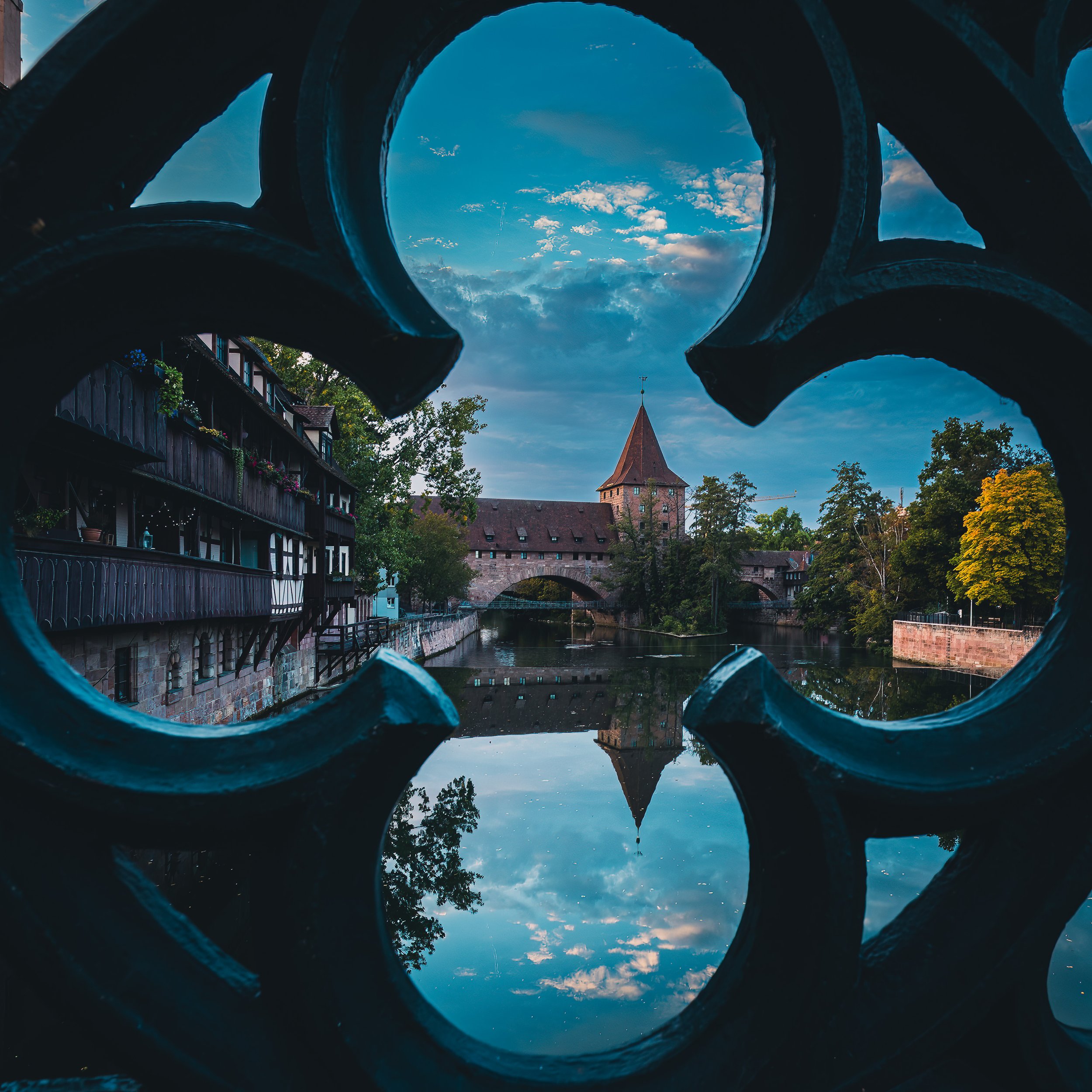
Sometimes what makes me stop isn't the subject at all. It's the way the pieces happen to come together.
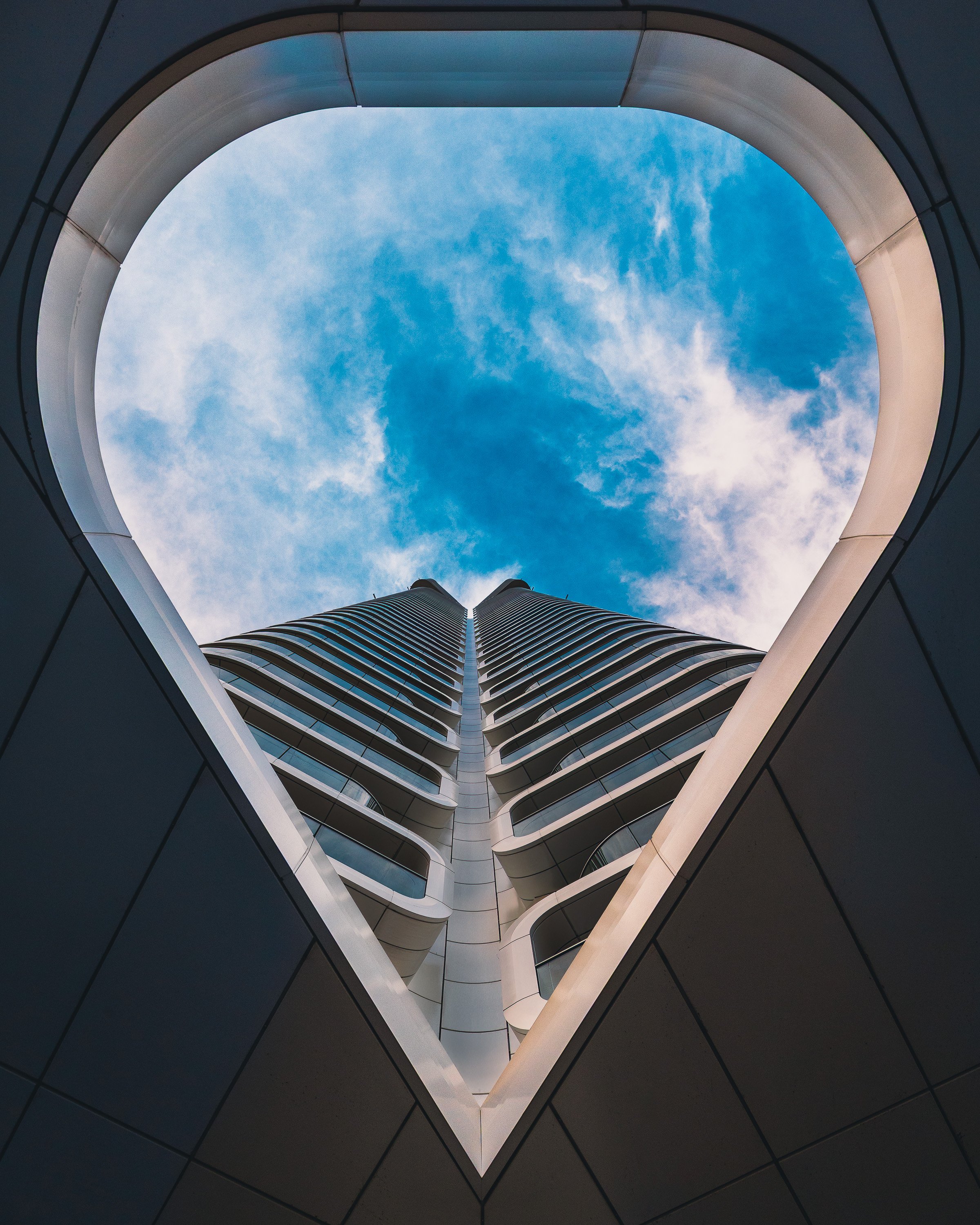
A reflection changes the shape of a building. An opening becomes a frame. Something you've probably walked past several times suddenly looks completely different from one particular position.
These are the photographs I enjoy discovering most because they aren't really waiting at the obvious viewpoint.
You have to move around a little. Look through things. Look behind things. Occasionally stand somewhere that makes absolutely no sense to anyone who isn't carrying a camera.
And then, every now and again, the scene falls into place.
For a moment, you stop seeing the location and start seeing the photograph.
When the Subject Starts to Disappear
At some point, the subject itself begins to matter less.
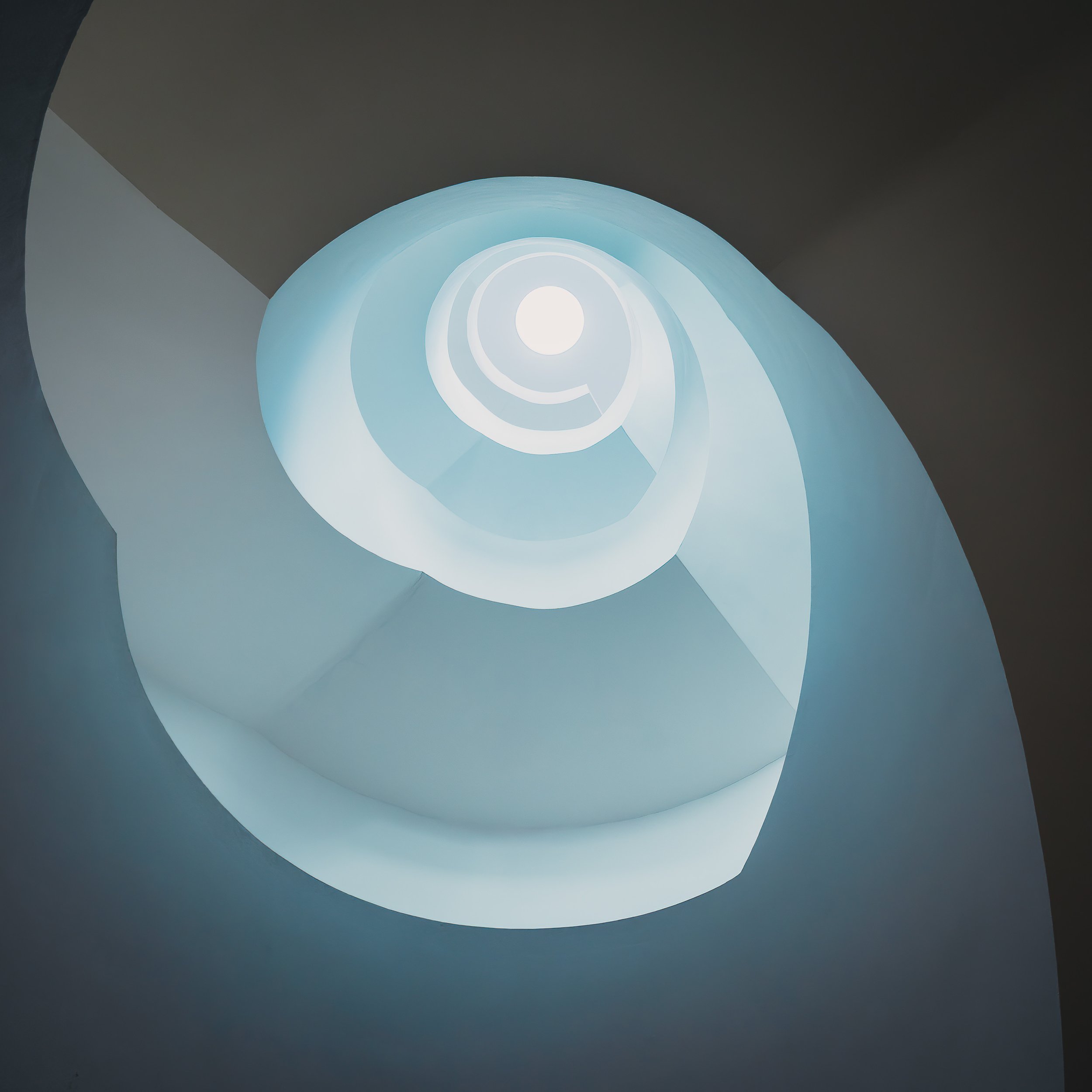
A building can become a curve. A ceiling can become a spiral. An opening can become little more than a shape around a piece of sky.
Everything in the photograph is still real. Nothing has been invented. But by changing the viewpoint and removing enough context, something familiar can begin to feel unfamiliar.
I like that moment.
It is one of the reasons I often look up when everybody else is looking straight ahead. Architecture becomes particularly interesting to me when I stop asking what the building is and start asking what I can do with the shapes in front of me.
A photograph doesn't always have to explain itself immediately. Sometimes it's more interesting when you need a second look.
Leaving Things Out
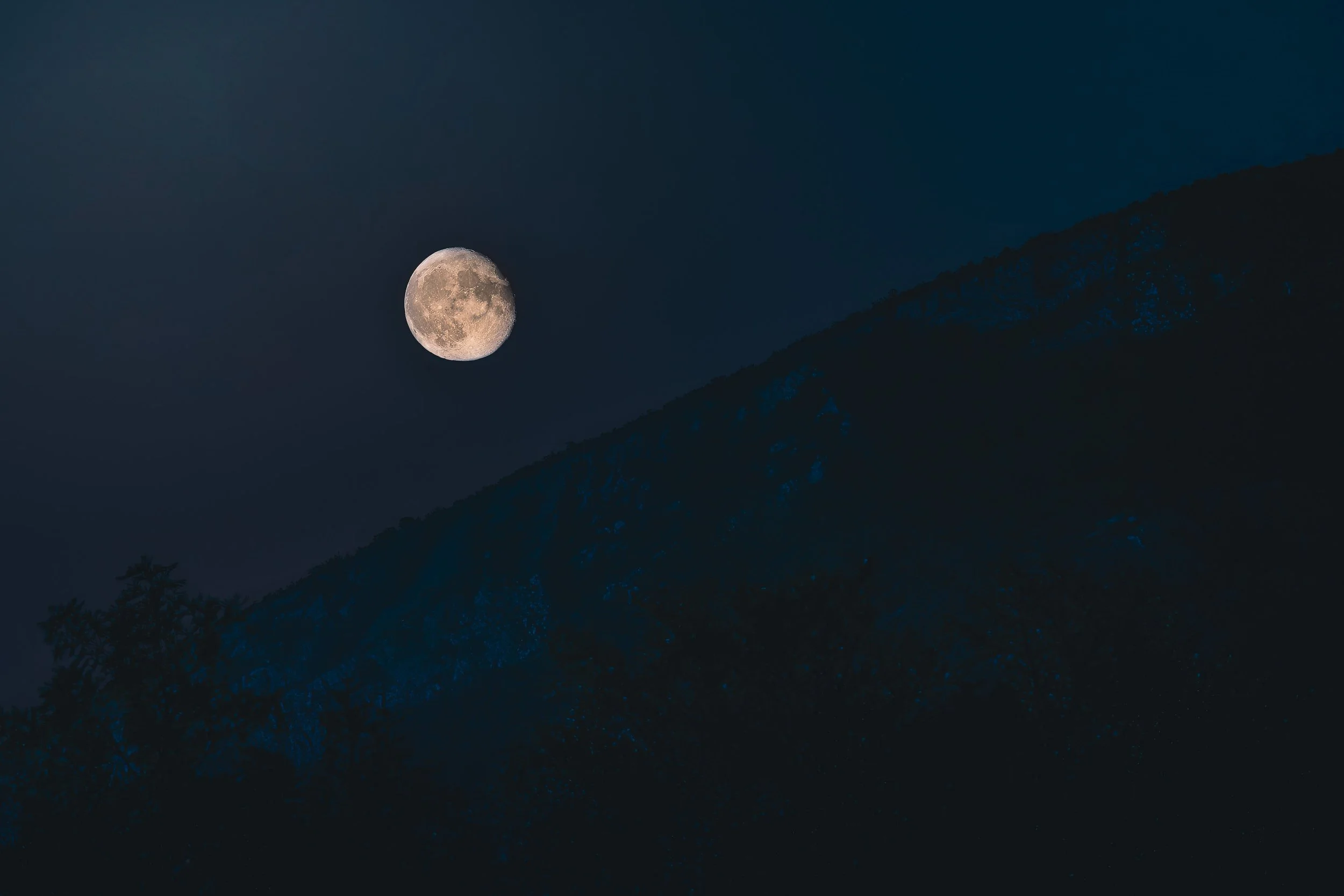
Over the years, I've become increasingly interested in what I can leave out of a photograph. Earlier on, I probably would have tried to include more. More landscape. More information. More evidence of where I was.
Now I often find myself doing exactly the opposite. A dark mountain. A small moon. A lot of empty space.
The less there is in the frame, the more important every remaining element becomes. There is nowhere for a weak composition to hide.
Reduction isn't about making a photograph empty. It's about deciding what the photograph actually needs — and having the confidence to leave the rest outside the frame.
The Quiet Ones
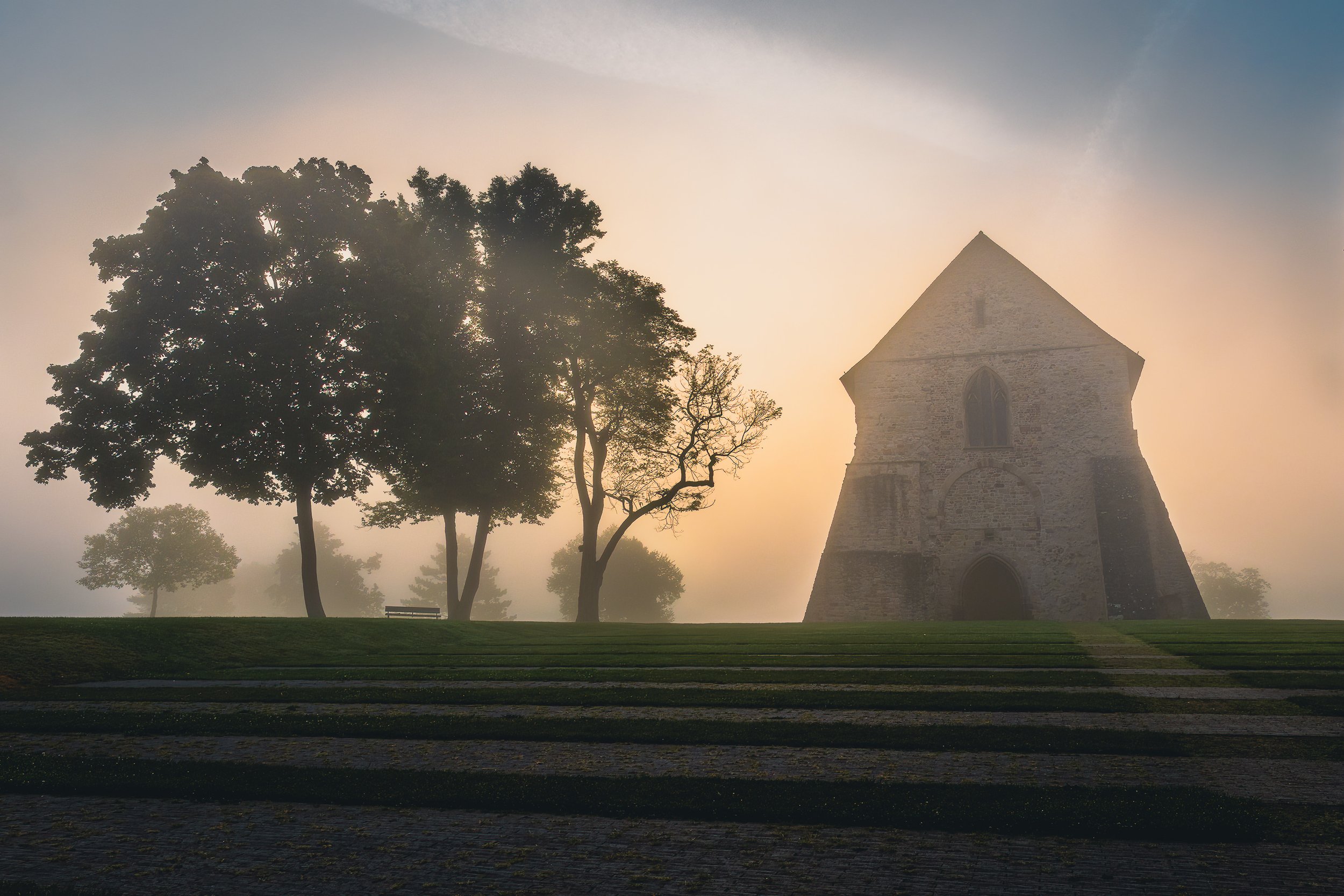
And then there are the photographs that make me stop for almost the opposite reason. Nothing dramatic is happening. A small building. A few trees. Fog. Soft light.
These scenes don't demand attention in the same way as a spectacular interior or a dramatic piece of architecture. They work more slowly. I think that's why I keep looking for them.
Photography gives me a reason to stay in a place for a little longer than I normally would. To wait for the light to change. To notice a reflection, a line or a small detail that wasn't obvious when I arrived.
There isn't really a formula. There is just that moment when something makes me stop. And after all these years, I'm still curious enough to see what happens next.