
When buildings stop being buildings and start becoming photographs.
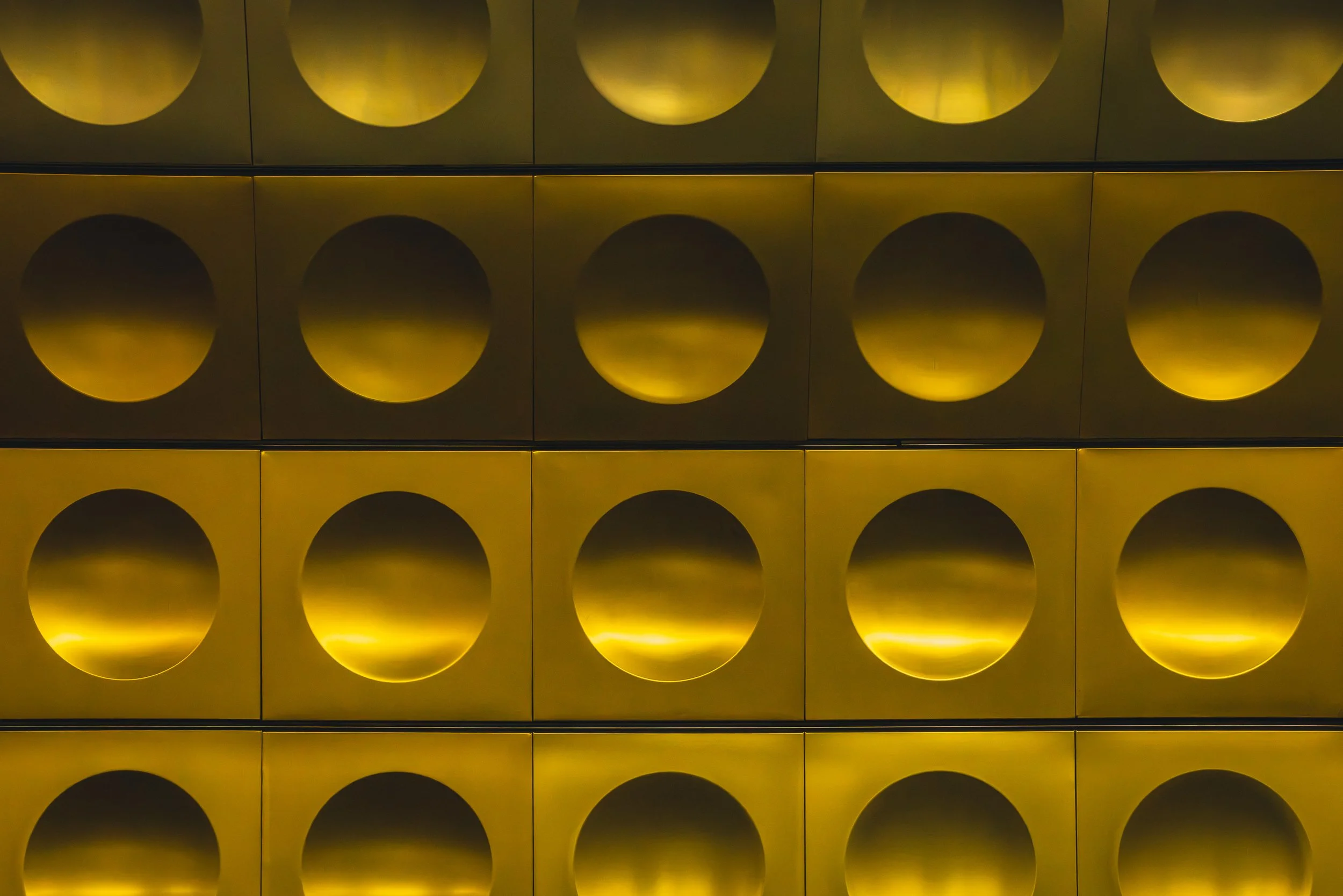
I like buildings.
That probably comes as no great surprise if you've spent any time looking through my photographs. But when I photograph architecture, I'm not always interested in showing the building itself. Quite often, I'm more interested in what happens when you stop thinking about it as a building and start looking at it simply as a collection of shapes, lines, light and space.
A curve becomes a line. A ceiling becomes a pattern. A staircase becomes a shape.
And suddenly you're looking at something completely different.
Start With the Shape
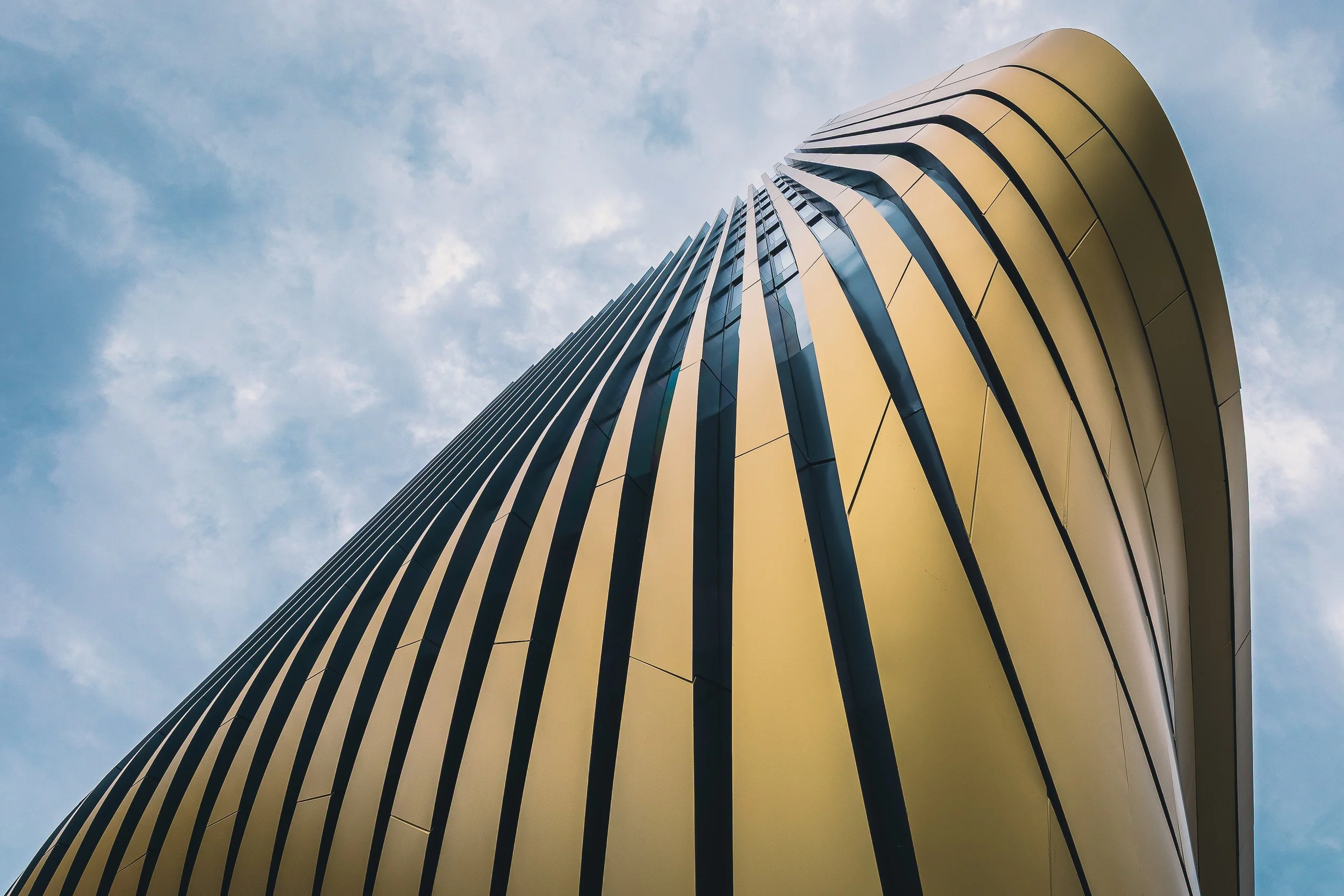
The easiest way to photograph architecture is often to point the camera at the whole thing. The harder part is deciding what to leave out, and that's usually where things start getting interesting.
In Prague, I found myself looking up, down and sideways rather more than usual. Large spaces became collections of smaller shapes, repeating structures turned into patterns, and light kept changing the way those structures looked from one moment to the next.
That's one of the things I enjoy most about photographing architecture: the building doesn't necessarily have to be the subject. Sometimes the shape is enough.
Less Building, More Photograph
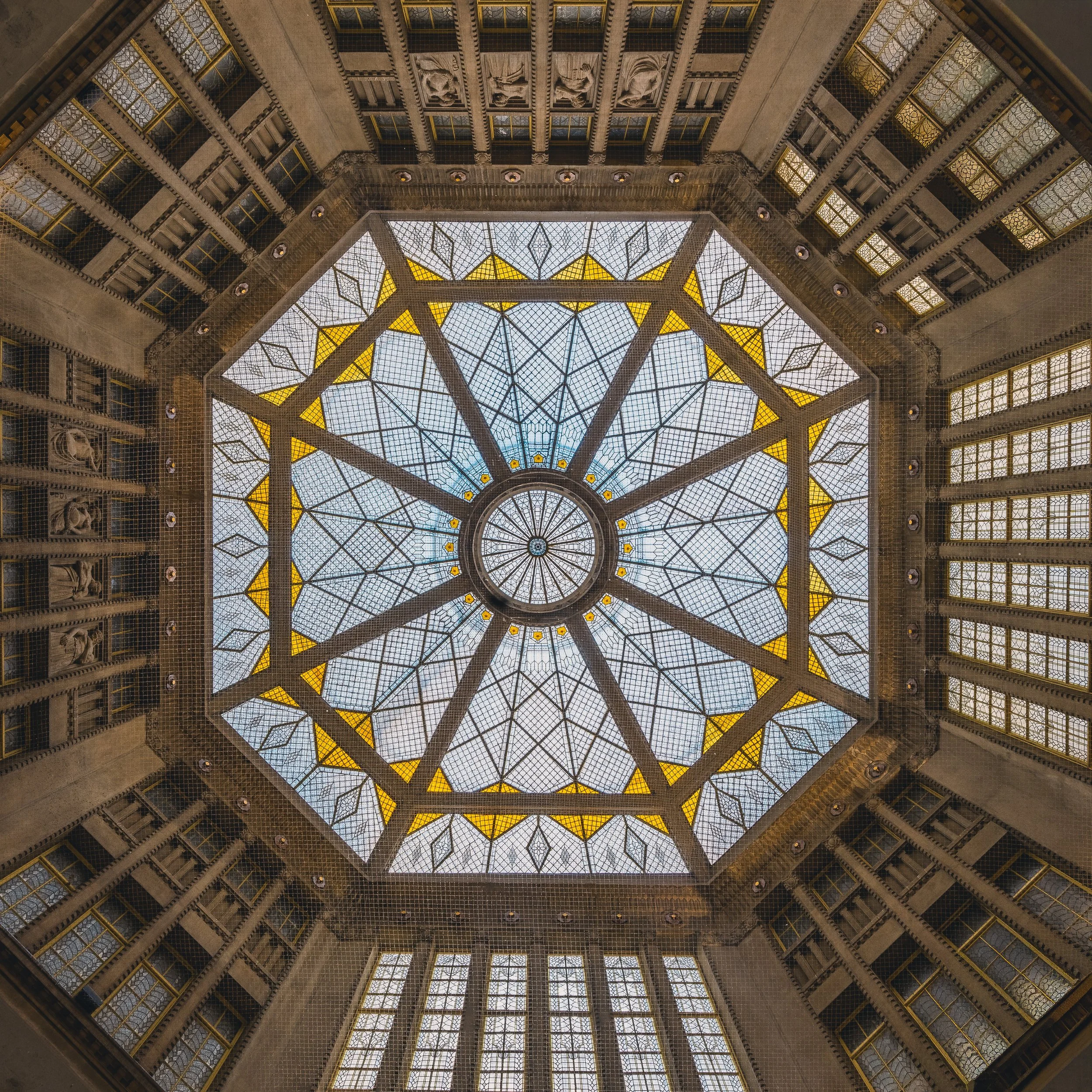
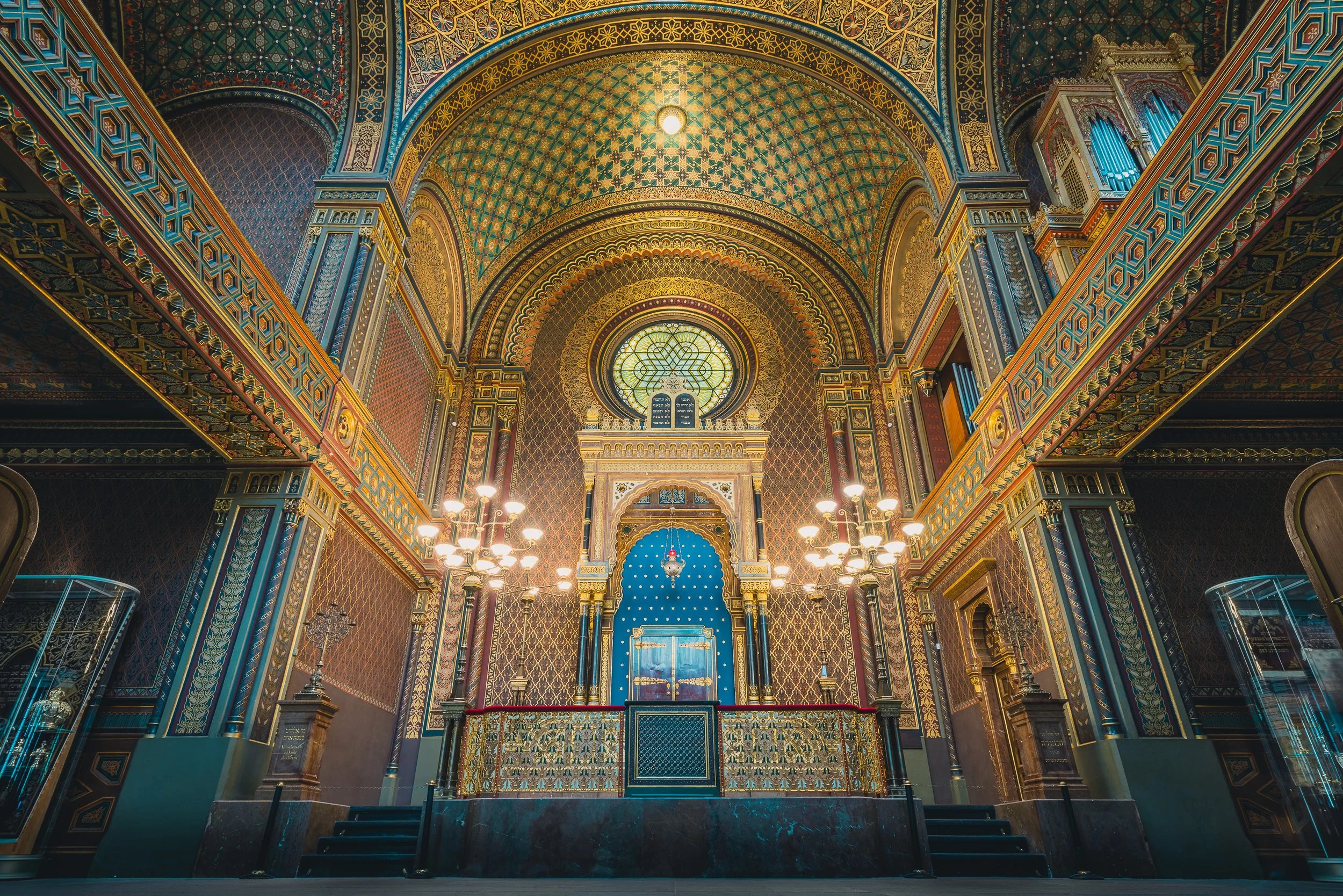
The golden structure in one of the photographs caught my attention because I couldn't really separate the architecture from the pattern. At that point, it wasn't particularly important what the building was or what it had originally been designed to do.
The photograph was about repetition, color and light.
That's when architecture starts becoming interesting to me in a different way. You don't necessarily need to know what you're looking at. You just need to like looking at it.
The Big Spaces
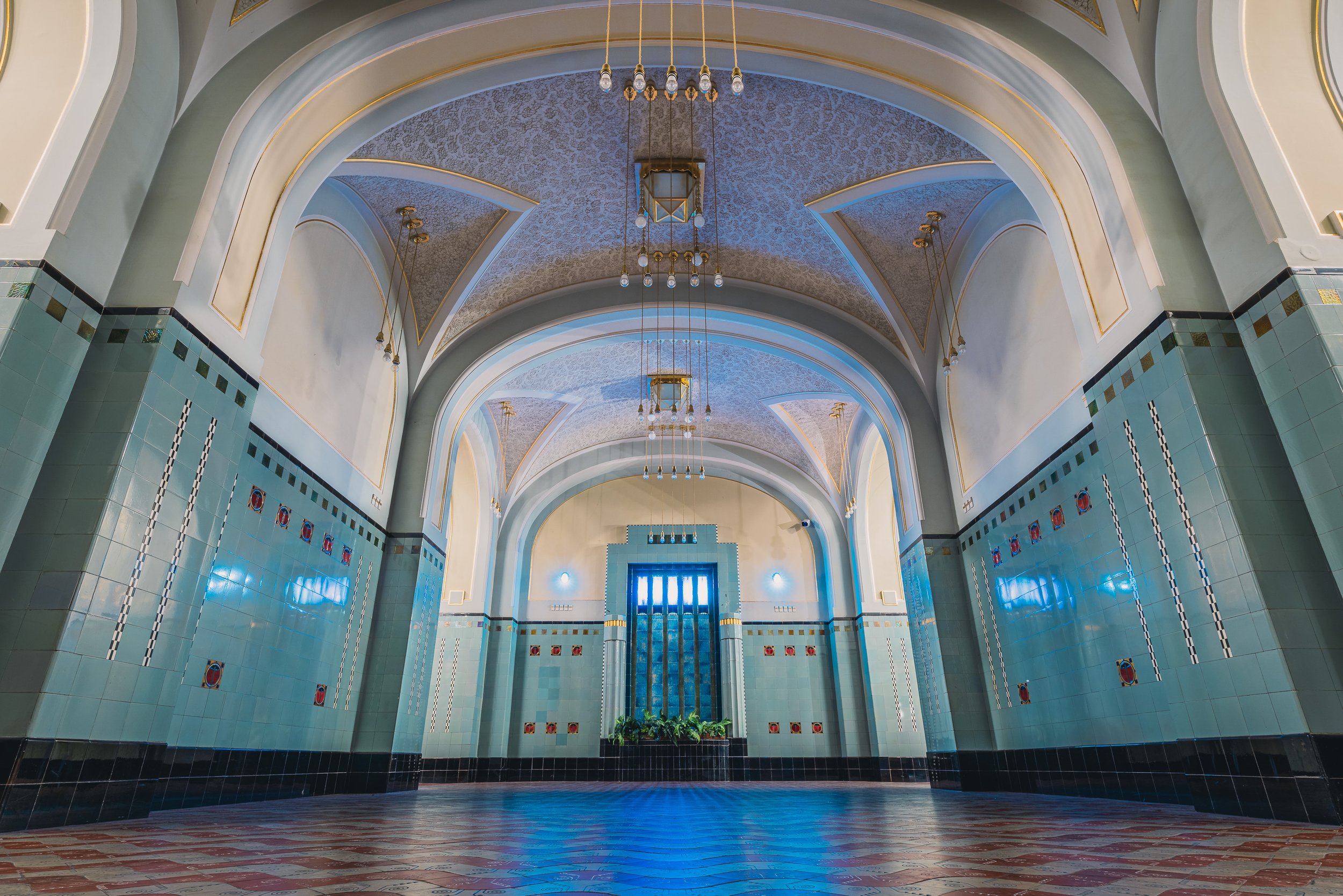
Of course, sometimes the size of a building is exactly what makes the photograph work. The large interiors in Prague were almost impossible to ignore: high ceilings, long lines, repeating arches and enough detail to keep the camera busy for quite some time.
And then, occasionally, a person appears.
That tiny human figure suddenly tells you how large the space really is. I often find myself waiting for that moment because the architecture is already there. The person simply gives it scale and, sometimes, a little life.
It is one of those small things that can completely change the way a photograph feels.
Symmetry Helps
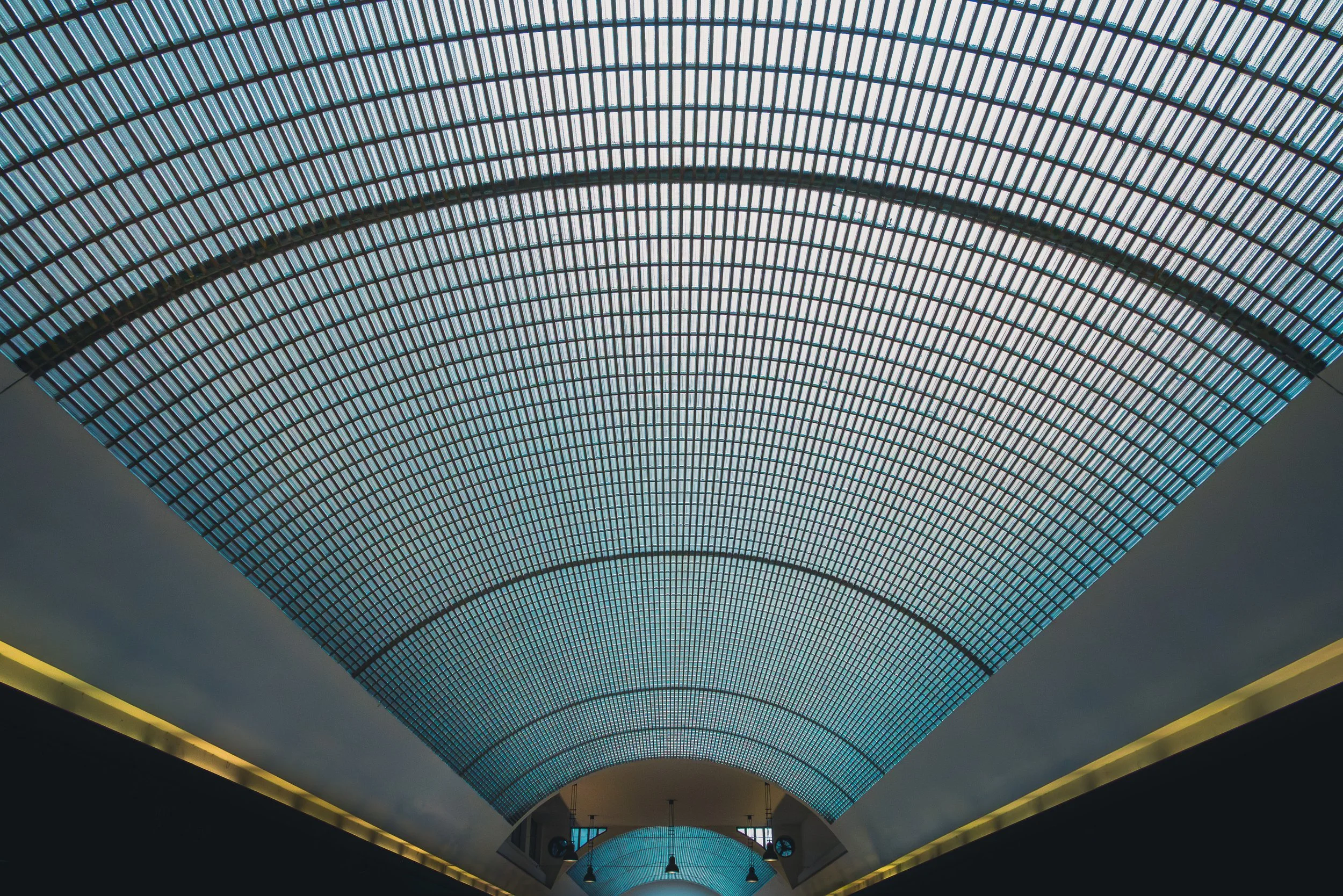
I'm also a bit of a sucker for symmetry. There, I've said it.
When everything lines up, it's very difficult for me not to make the photograph. But symmetry on its own isn't enough. The light has to work, the composition has to feel balanced, and there needs to be just enough going on to keep the image interesting.
Too much and the photograph becomes busy. Too little and it starts looking like a diagram.
Finding that middle ground is the fun part.
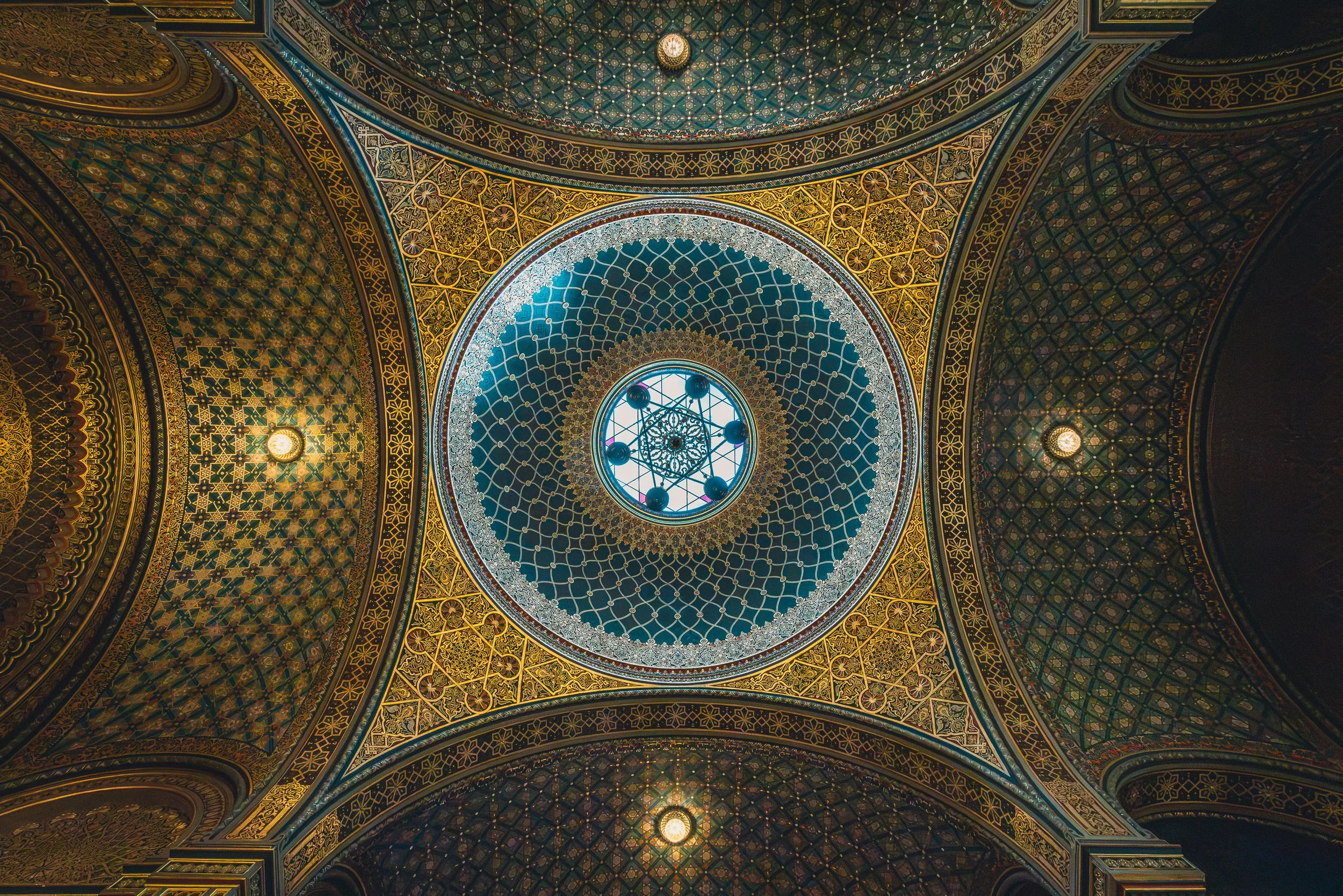
Looking Up
Prague provides plenty of opportunities for this. Historic buildings offer all the obvious details, but glass, steel, ceilings and modern structures can be just as interesting once you stop photographing them in the expected way.
The materials change. The shapes change. The way the light moves through the space changes.
But the process remains pretty much the same. Stop and look. Move a little. Look again. Then, just when you think you've found the photograph, move another meter to the left.
That last part is optional.
It's just something photographers tend to do.
When Architecture Becomes Abstract
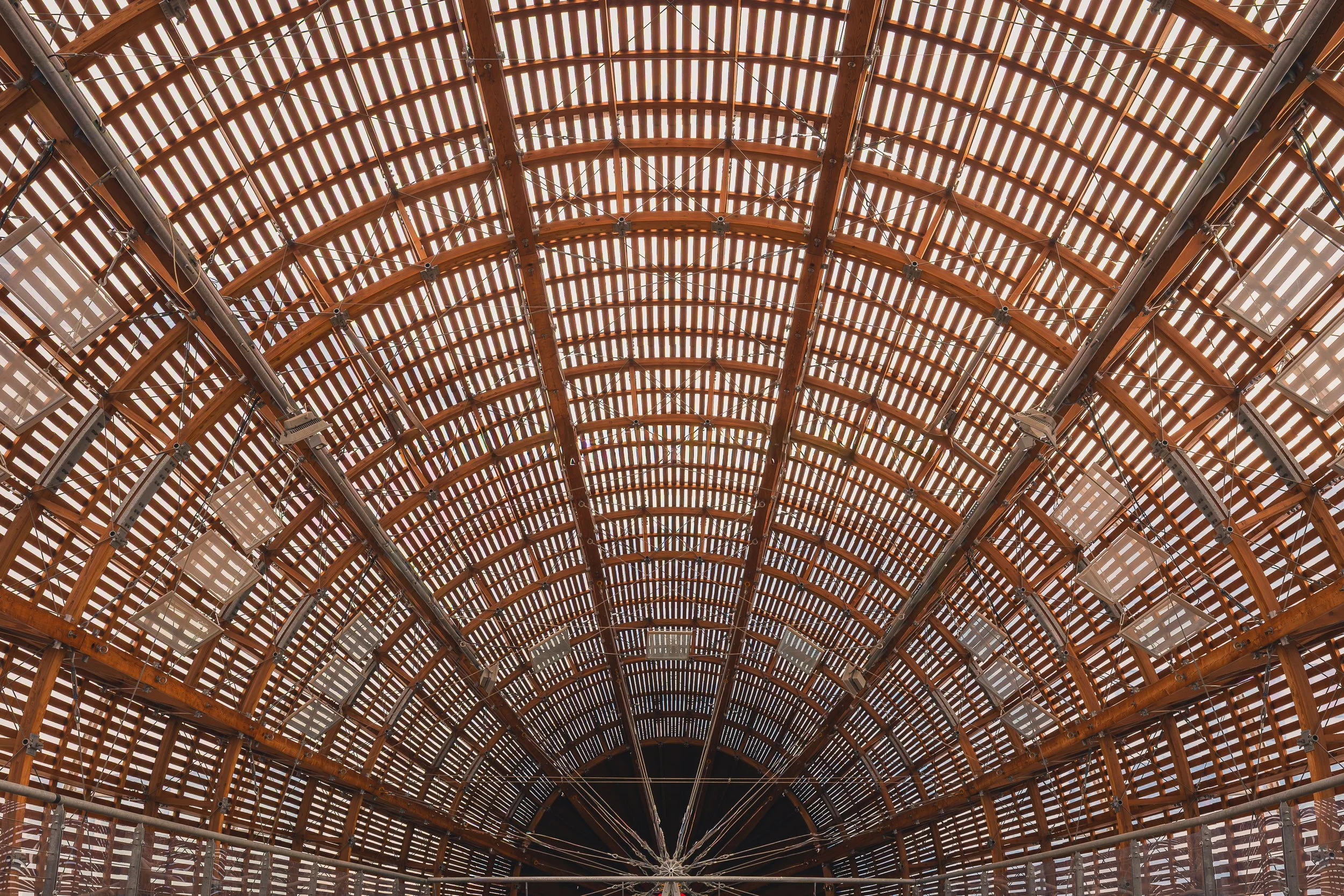
At some point, the location becomes almost irrelevant. A ceiling can turn into a pattern, a glass structure can become a geometric drawing, and a wall can become little more than a field of color and shadow.
That's when I know I've found something worth photographing.
Not because I've documented an interesting building, but because the building has given me something else to work with: a shape, a rhythm, a piece of light.
A photograph.
And sometimes that's all I need.