
Photographing Close to Home
Why the place I know best keeps giving me photographs.
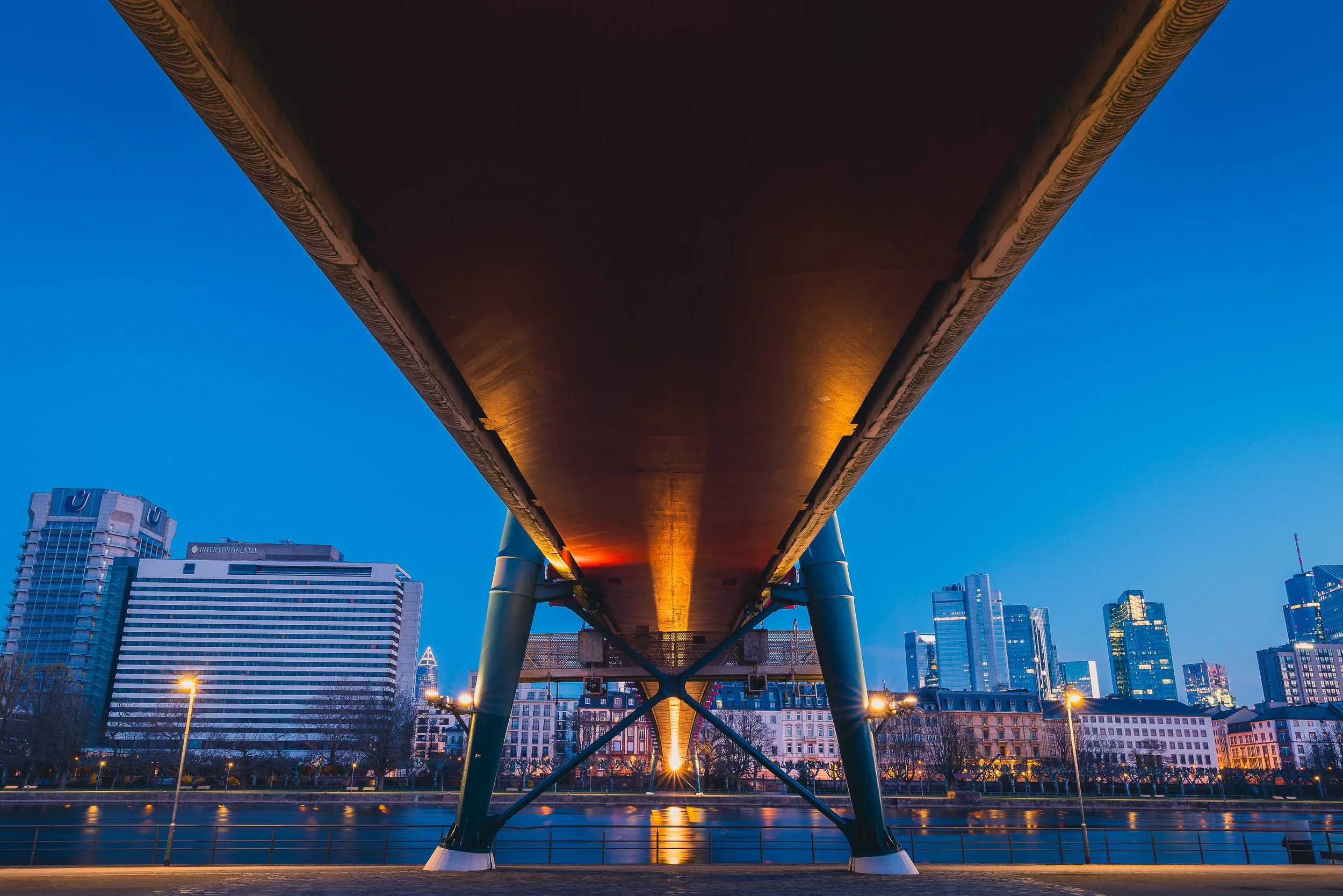
Traveling makes photography easy in one particular way: almost everything is new. You arrive in a city you've never seen before, turn a corner, and immediately start noticing buildings, light, streets and details. Your eyes are switched on because they have to be.
Photographing close to home is different.
I live near Frankfurt, and the Rhein-Main region is the place I know best. I have driven through it, walked through it and photographed parts of it for years. Familiarity is useful, but it also comes with a problem. You stop looking.
Rhein-Main Confluence began, in part, as an attempt to change that.
The Problem With Familiar Places
When I travel, I tend to explore with a camera in mind. At home, I might pass the same place fifty times before I realize there could be a photograph there.
That's one of the strange things about familiarity. It helps you understand a place, but it can also make it almost invisible.
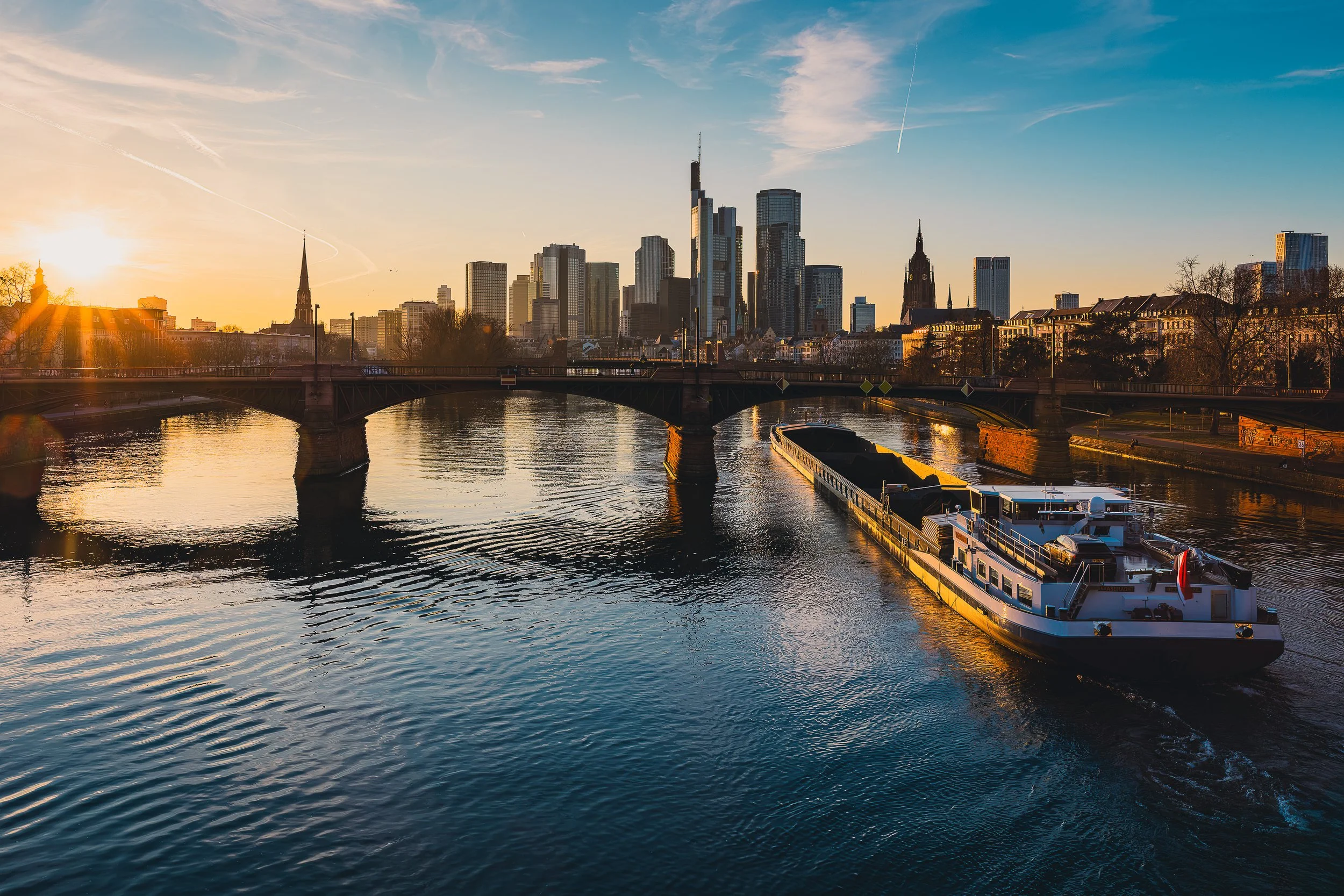
Frankfurt's skyline is the obvious example. It is probably the most photographed part of the region, and I have photographed it plenty of times myself.
The interesting question isn't whether there is another photograph of the skyline. There is.
The question is whether I can find one that feels like mine.
Sometimes that means changing the viewpoint. Sometimes waiting for the light. And sometimes it simply means being there when a boat enters the frame and changes the picture completely.
Beyond the Skyline
Once I started thinking about Rhein-Main as a long-term project rather than a collection of individual photographs, the subject became much larger.
Frankfurt may have the skyline, but the region doesn't stop at the city limits.
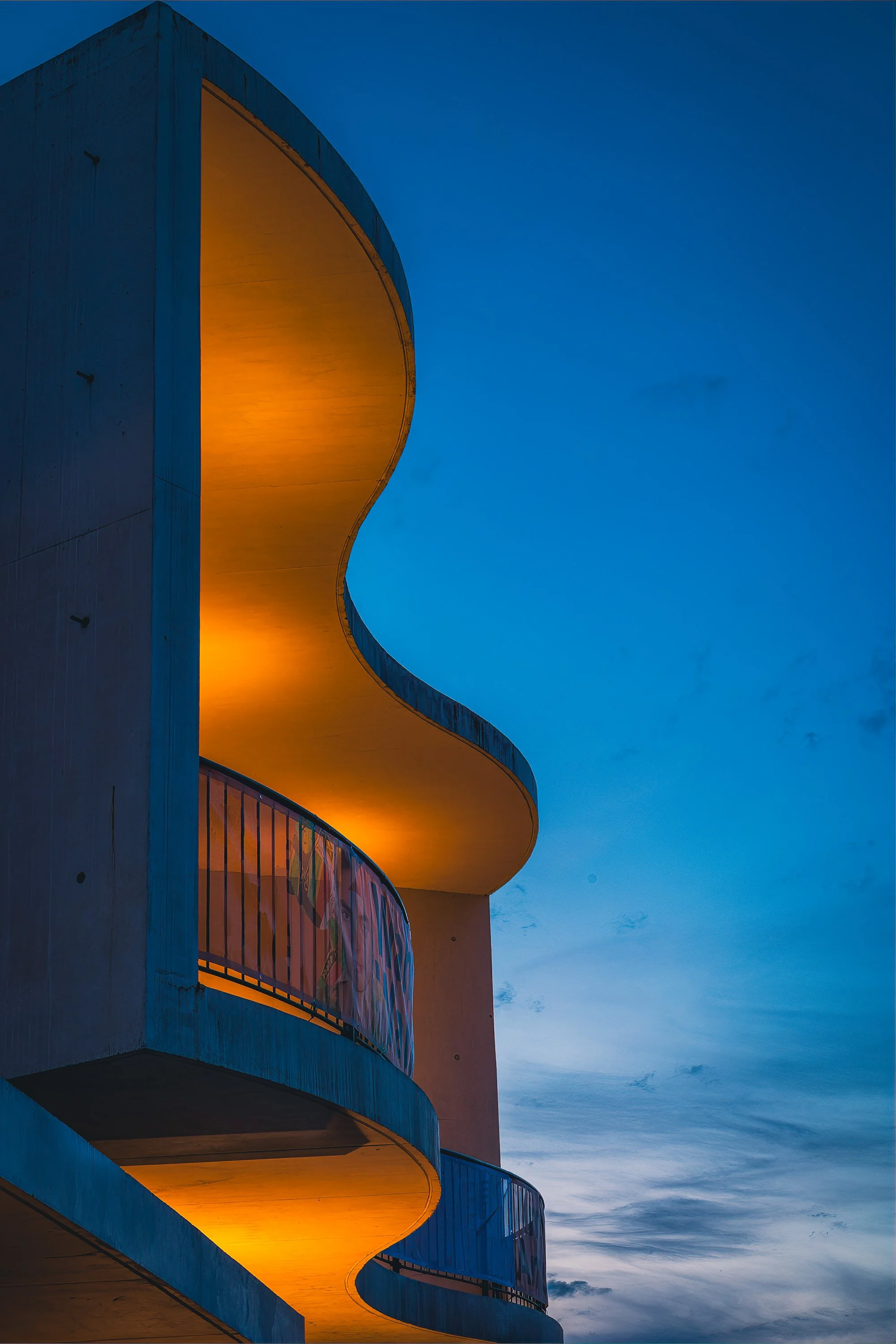
Darmstadt, Mainz, Aschaffenburg, the Rhine and the smaller towns around them all have their own visual language. Sometimes that means historic architecture. Sometimes infrastructure. And sometimes a building is interesting simply because a curve, a piece of light or an unexpected viewpoint turns it into something else.
That's much closer to the way I like to photograph places.
Less about asking What should I photograph here?
More about asking What makes me stop?
The Things That Connect It
A region isn't only defined by its landmarks. It is also defined by everything connecting them.
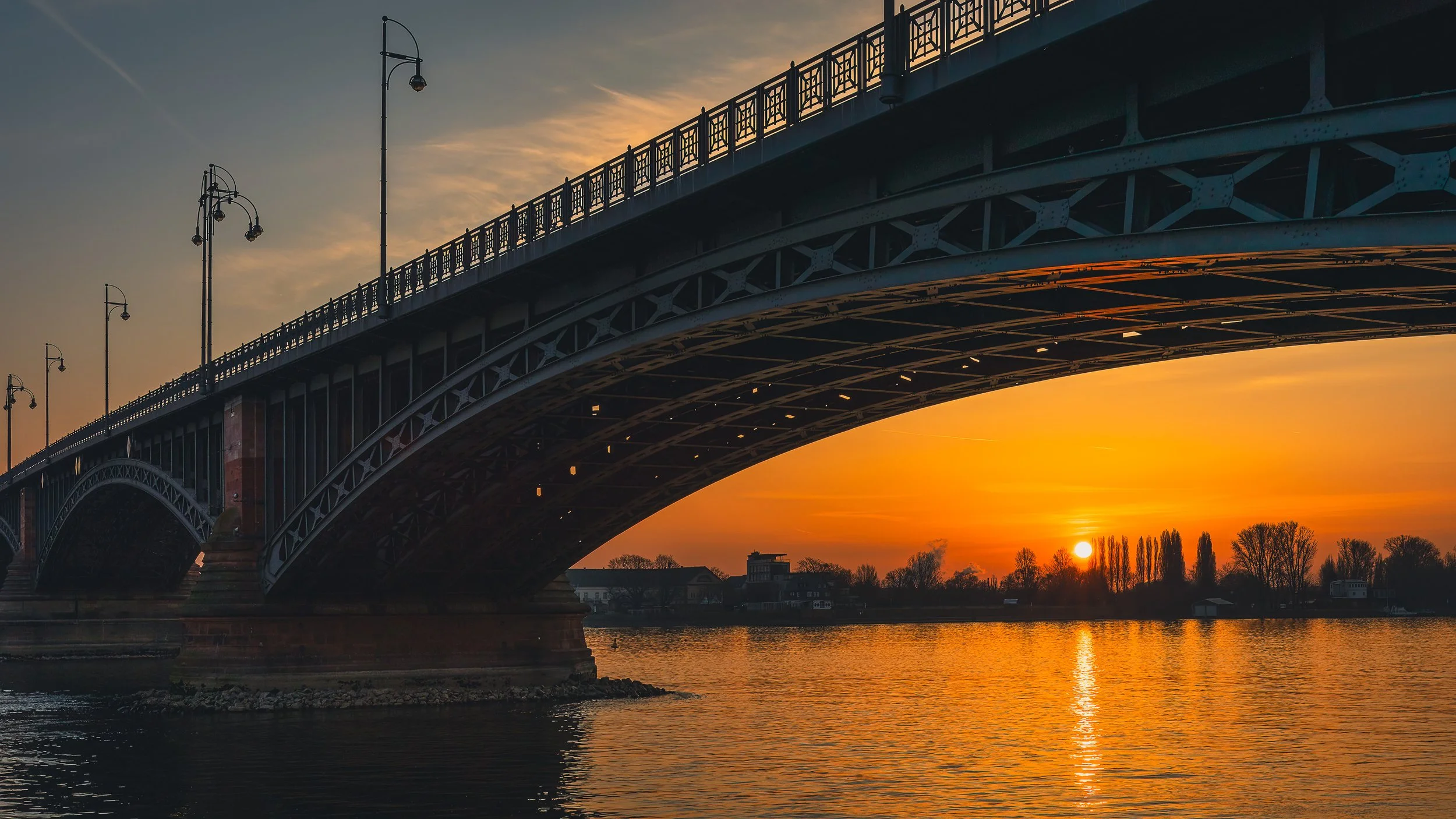
Bridges, railway lines, roads and rivers are easy to treat as things you simply cross on the way somewhere else. Photographically, that makes them interesting.
They contain repetition, perspective, movement and scale. They also tell you something about how the region actually works.
The Rhine and Main are particularly important to the project for exactly that reason. They separate places, connect them and constantly change the view depending on which side you're standing on. And if the sun happens to disappear beneath a bridge while I'm there, I won't complain.
Finding the Photograph Inside the City
One advantage of photographing close to home is that I can return. If the light isn't right, I can come back. If the viewpoint doesn't work, I can try another one. There is no final morning before the flight home and no pressure to photograph everything today.
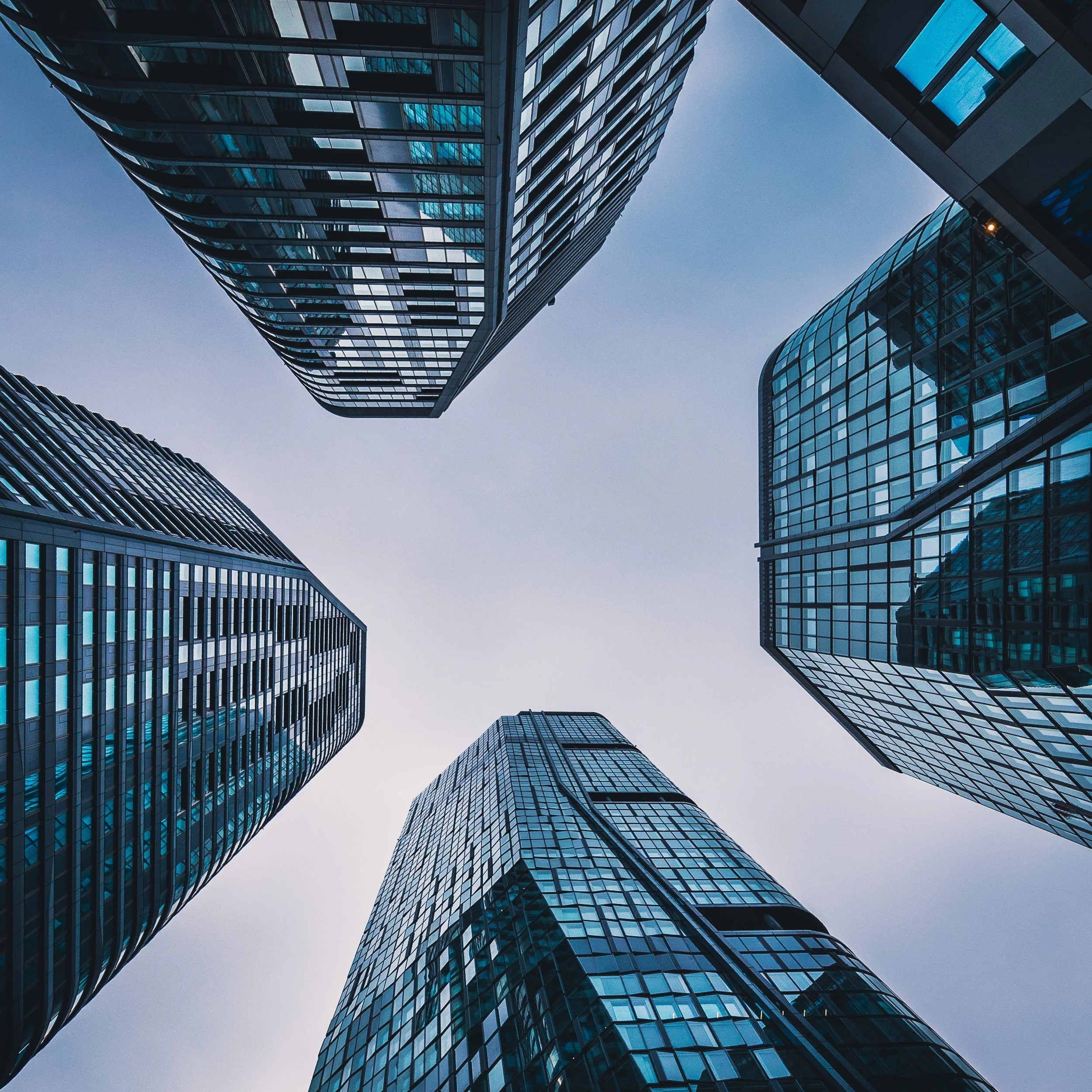
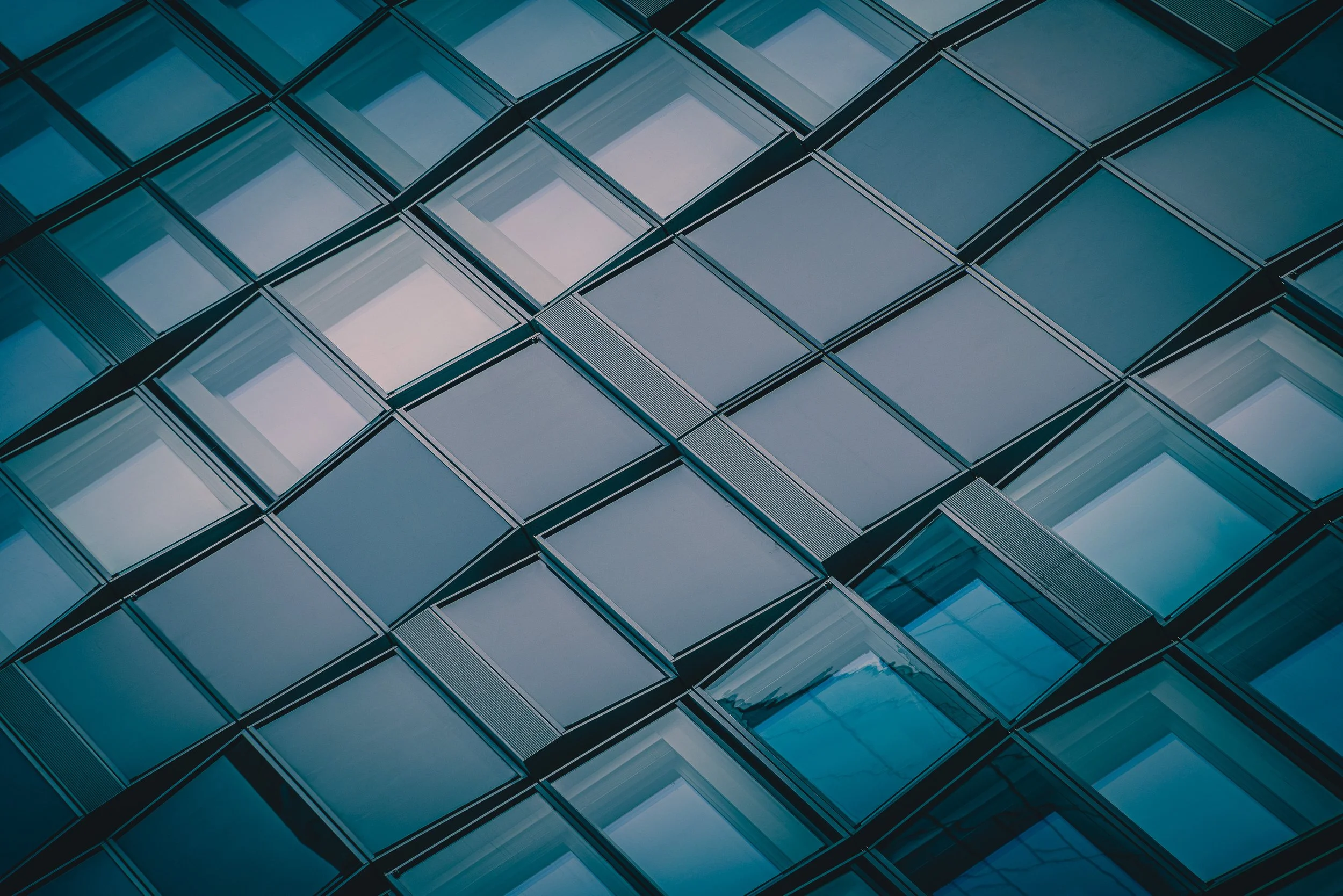
That freedom lets me spend more time looking for the photograph inside the architecture rather than simply photographing the architecture itself. A building can become a shape. A facade becomes a pattern. Reflections change the geometry. And at some point, you stop thinking very much about what the building actually is.
That's usually a good sign. The place is still real, but the photograph begins to have a life of its own.
The Old Layers
Rhein-Main Confluence isn't only about glass, steel and modern cities. That would make the project much too simple.
The region contains layers that sit surprisingly close together. Modern towers, medieval streets, castles, churches, industrial structures and landscapes can all appear within a relatively short journey. I like those contrasts because they prevent me from settling into one visual formula.
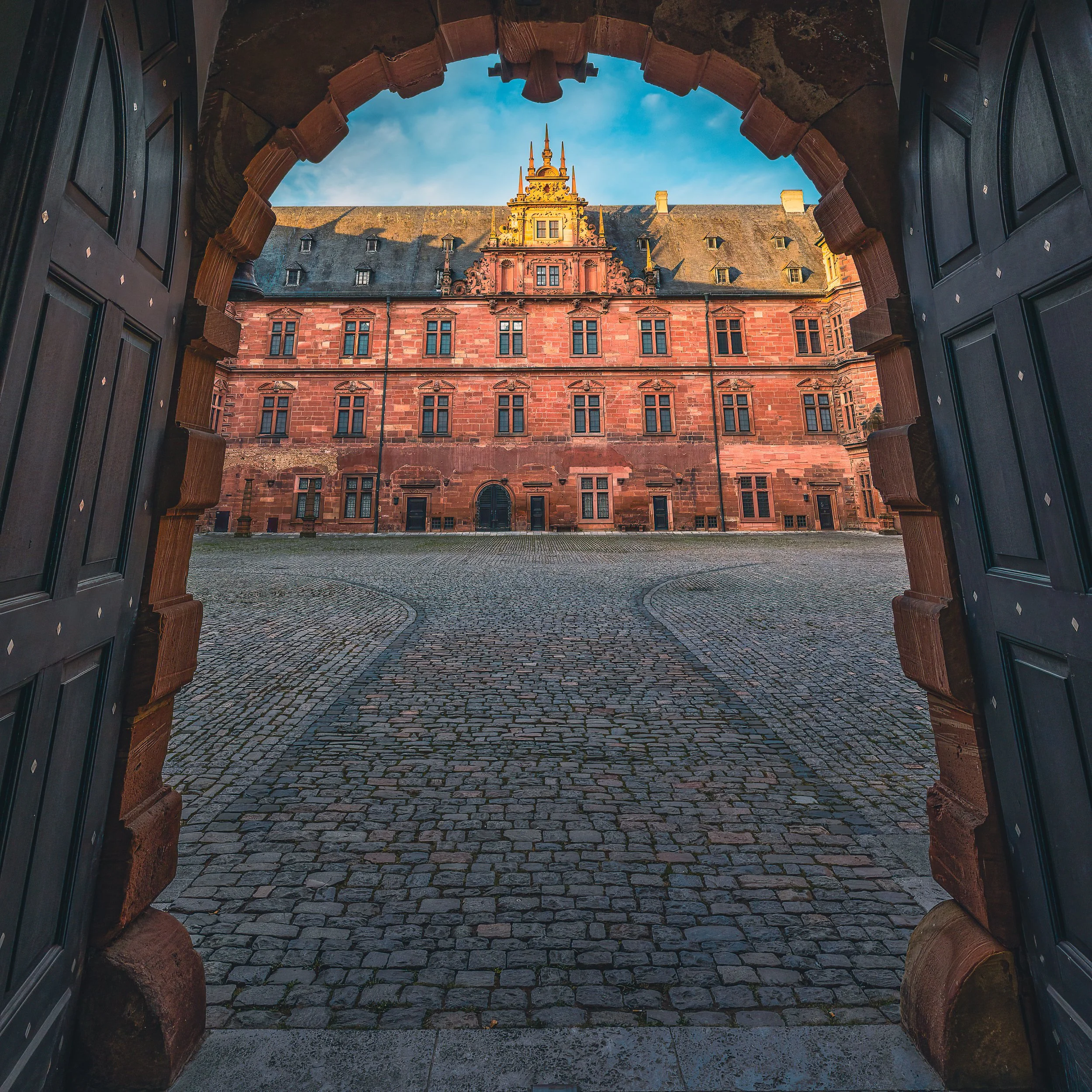
Historic architecture asks for a slightly different approach, but I'm still looking for the same things: light, structure, framing and the moment when a familiar building stops feeling like a record of a place and starts becoming a photograph. Sometimes an old doorway does most of the compositional work for you.
I'm happy to let it.
Where the City Ends
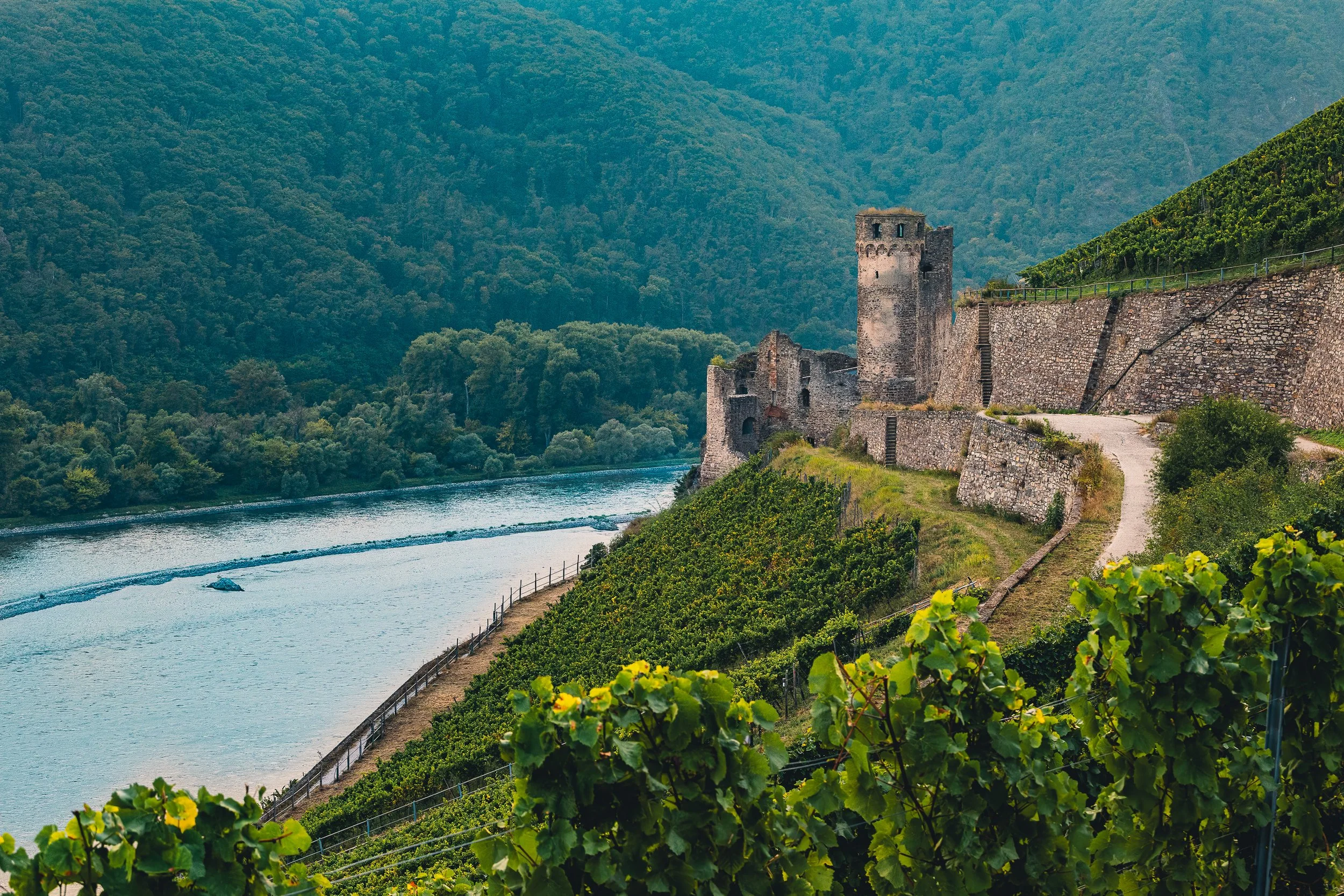
And then the region opens up. The towers disappear, the roads become quieter and the Rhine begins to behave less like part of a city and more like a landscape. This is another reason I don't want Rhein-Main Confluence to become a project about Frankfurt alone.
The vineyards, river valleys, ruins and smaller towns provide a completely different rhythm. They require me to slow down and look in another way. What connects these photographs isn't the type of subject.
It's the search for the same thing in very different places: a moment when light, structure and atmosphere come together and make me stop.
A Project Without an End Date
I don't really know when Rhein-Main Confluence will be finished. At the moment, I'm not sure I want it to be. Unlike a trip, there is no flight home and no final morning when I have to make the photograph before leaving. The region keeps changing, and so does the way I photograph it.
New buildings appear. Old ones disappear. The seasons change. The light is different. And every now and then, I notice something I've managed to ignore for years. That is what makes an ongoing project interesting. It isn't simply a record of a place.
Over time, it also becomes a record of how you learn to see that place.
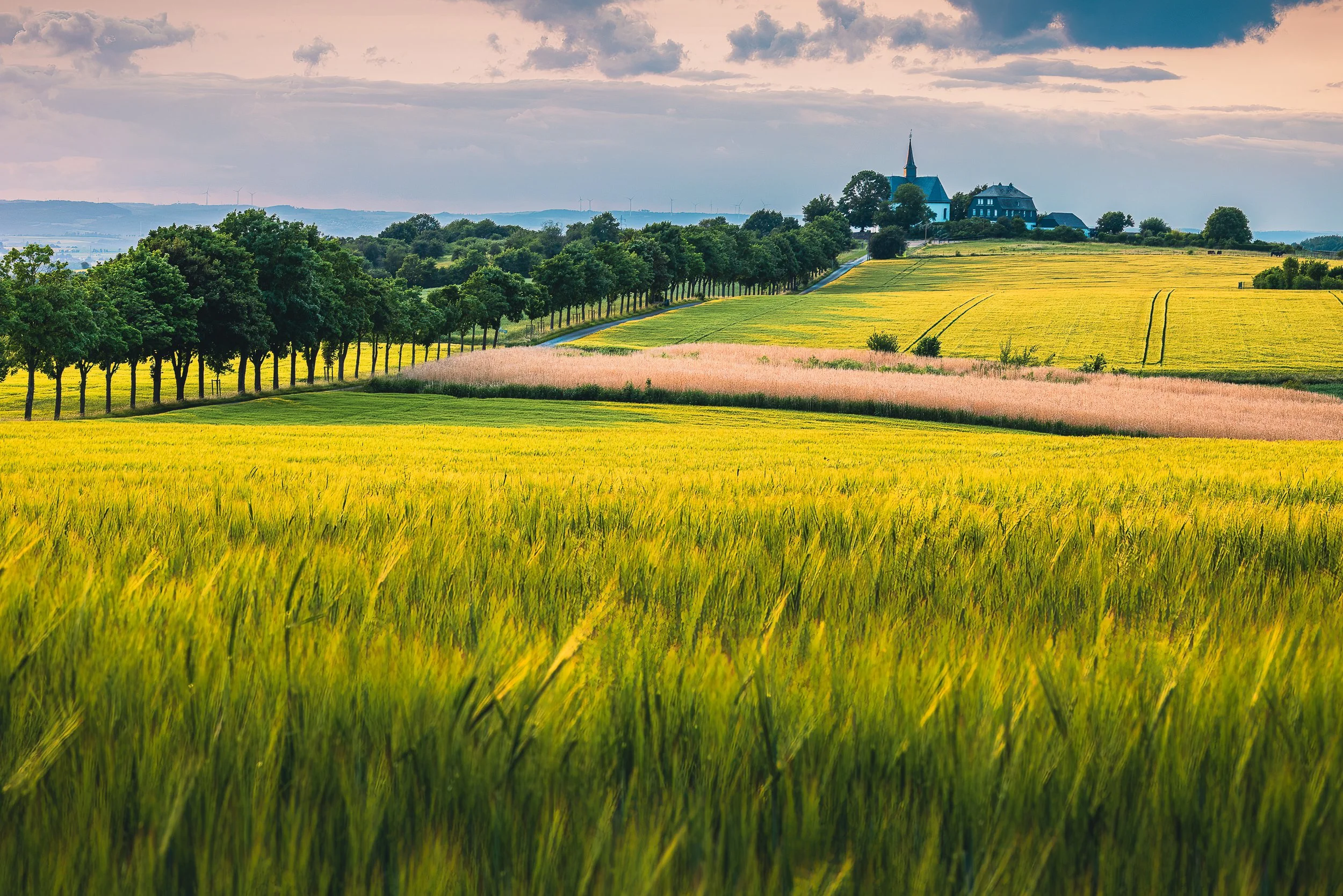
Traveling will always be an important part of my photography. There is something exciting about walking into a place with no idea what you'll find. But photographing close to home asks something different of me.
I have to work harder to be surprised. I have to question the places I think I already know and keep looking when it would be easier to assume there is nothing new to see.
The advantage is that tomorrow I can go back. Or next week. Or six months from now when the light is completely different.
And every now and then, somewhere between a Frankfurt tower, a bridge across the Rhine or a quiet field outside a small town, something clicks. A familiar place gives me another photograph. That's probably reason enough to keep looking.